

Welcome to the wonderful world of dog parenting! Among the many joys (and responsibilities) of bringing a furry friend home, grooming stands out as a key pillar of their health and happiness. Regular grooming isn’t just about keeping your pup looking adorable—it’s essential for maintaining skin and coat health, preventing painful mats and infections, and catching early signs of issues like parasites, lumps, or skin irritations. Plus, it’s a fantastic bonding experience for you and your dog.
At Youngdogs, we see firsthand how well-groomed dogs radiate confidence and vitality. But you don’t need to be a professional to give your dog excellent at-home care. This guide will walk you through the essentials: understanding coat types, brushing and bathing routines, nail and ear care, and knowing when it’s time to call in the experts.
Know Your Dog’s Coat Type
Every dog’s coat is unique, and their grooming needs vary dramatically based on breed, hair length, and texture. Here are the main categories:
- Smooth-coated breeds (e.g., Beagles, Boxers, Greyhounds) have short, sleek fur that sheds moderately. They require minimal brushing—about once a week with a soft bristle brush or grooming mitt to remove loose hair and distribute oils.
- Double-coated breeds (e.g., Huskies, Golden Retrievers, German Shepherds) have a dense undercoat beneath a longer topcoat. They shed heavily seasonally and benefit from weekly brushing with an undercoat rake or deshedding tool to minimize fur tumbleweeds and prevent mats.
- Long-coated breeds (e.g., Shih Tzus, Maltese, Afghan Hounds) have flowing locks that tangle easily. Daily brushing with a pin brush or slicker is essential to prevent mats, which can trap moisture and cause skin infections.
- Curly-coated breeds (e.g., Poodles, Bichons, Portuguese Water Dogs) have hair that grows continuously and doesn’t shed much but is prone to matting. Brushing several times a week and regular professional trims are non-negotiable.
- Wire-haired breeds (e.g., Schnauzers, Terriers) have a coarse, harsh topcoat. Weekly brushing and occasional hand-stripping (or professional clipping) keep their coat looking sharp.
Brushing Basics: The Foundation of Coat Health
Regular brushing removes dirt, debris, and dead hair while stimulating natural oils that keep the coat shiny and skin healthy. It also gives you a chance to check for fleas, ticks, cuts, or unusual bumps. Start slow and make it a positive experience with treats and praise.
How often should you brush?
- Short-haired dogs: once a week
- Medium-haired dogs: 2–3 times per week
- Long-haired or curly-haired dogs: daily
- Double-coated dogs: 2–3 times per week, plus daily during heavy shedding seasons
Choose the right tool: pin brushes for long coats, slicker brushes for removing mats, bristle brushes for short coats, and rubber curry combs for smooth coats. Always brush down to the skin (gently!) to prevent tangles, and pay extra attention to areas prone to matting, like behind the ears and under the legs.

Bathing: Finding the Right Rhythm
Bathing removes odor, pollen, and dirt, but over-bathing strips essential oils from your dog’s skin and coat, leading to dryness and itching. Most healthy dogs only need a bath every 4–6 weeks—unless they roll in something smelly, of course! Some breeds with oily skin (like Basset Hounds) may need more frequent baths, while water-repellent breeds (like Portuguese Water Dogs) can go longer.
When you do bathe your pup:
- Use lukewarm water and a shampoo specifically formulated for dogs—human shampoo can disrupt their skin’s pH.
- Wet your dog thoroughly from the neck down, avoiding the face until last.
- Massage the shampoo into a rich lather, then rinse completely. Leftover residue can irritate skin.
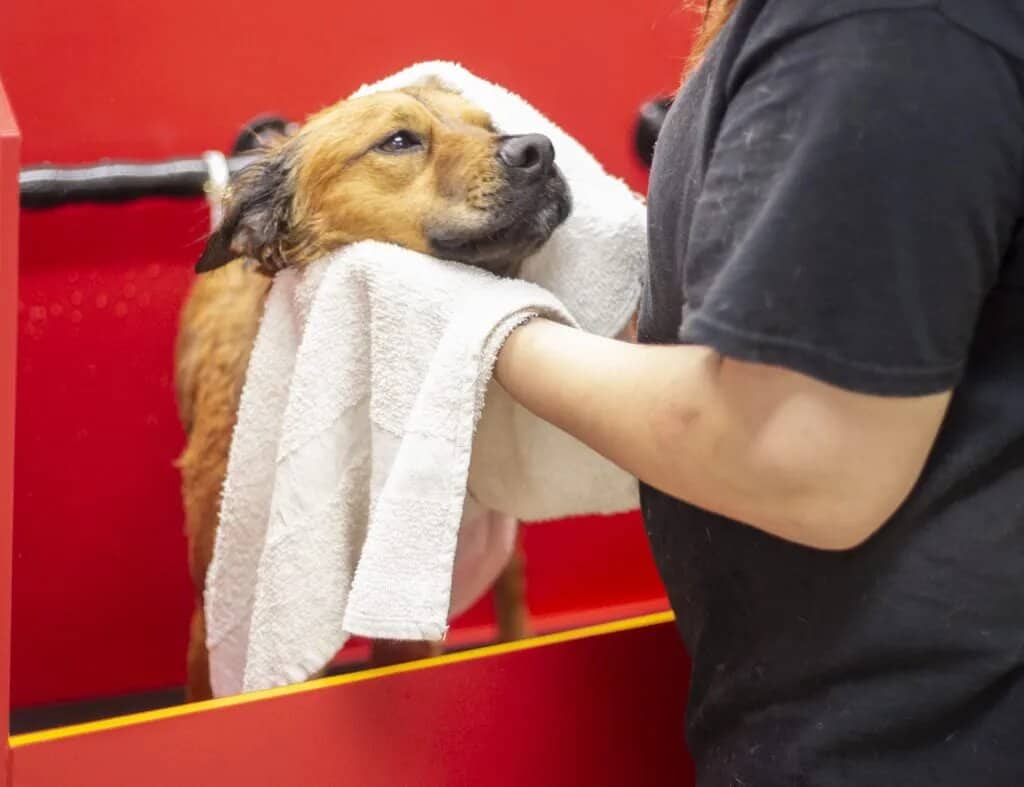
- Dry with a towel, and if your dog is comfortable, use a hairdryer on a low, warm setting. Be cautious with double-coated breeds—they can get heat stroke if dried improperly.
- Never send a wet dog outside in cold weather.
If your dog has sensitive skin or allergies, talk to your vet about medicated shampoos.
Nail Care: Keep Those Paws Happy
Overgrown nails are more than a cosmetic issue—they can cause painful walking, splayed toes, and even joint problems over time. Most dogs need their nails trimmed every 3–4 weeks, though active dogs that run on pavement may wear them down naturally.
Use a high-quality dog nail clipper or grinder. If you’re new to this, ask your vet or groomer to show you how to avoid the "quick" (the pink blood vessel inside the nail). For dark nails, look for the tiny dark spot in the center of the cut surface—if you’re unsure, shave a little at a time. Keep styptic powder on hand to stop bleeding if you nick the quick.
Ear Care: A Simple Check
Dogs with floppy ears (like Cocker Spaniels and Basset Hounds) are prone to ear infections because moisture gets trapped. Inspect your dog’s ears weekly for redness, odor, or excessive wax. Clean them with a vet-approved ear cleaner and a cotton ball or pad—never use cotton swabs, which can push debris deeper.
If you notice your dog shaking their head excessively, scratching at their ears, or an unpleasant smell, consult your vet—it could be an infection requiring treatment.
When to Call in the Professionals
While routine brushing, bathing, and nail trims are great DIY tasks, some situations call for a professional groomer like ours at Youngdogs:
- Breed-specific haircuts – Poodles, Bichons, and many terriers need precise styling that’s tricky to master at home.
- Severe matting – mats can be painful and dangerous to remove with scissors (you could nick the skin). Professionals use specialized tools and techniques.
- Nail problems – if your dog’s nails are overgrown into the quick or you’re anxious about trimming, let us handle it.
- Anal gland expression – some groomers can do this, and it’s a relief for dogs with issues.
- Specialized coat care – for double-coated breeds, a pro can do proper deshedding treatments to reduce shedding dramatically.
Integrating periodic professional grooming with your at-home care is the best way to ensure your dog looks and feels fantastic. Plus, our groomers are trained to spot subtle skin and coat issues you might miss.
Ready to book your dog’s grooming appointment? Or do you have more questions? Our friendly team at Youngdogs is here to help. Contact Us